This is Taking Charge Program
Having a rare disease like hypoparathyroidism (hypopara) can feel overwhelming. But you’re not alone—there are people who know exactly how you feel.
Meet real people who are managing their hypopara with YORVIPATH



View Transcript +
Close Transcript -
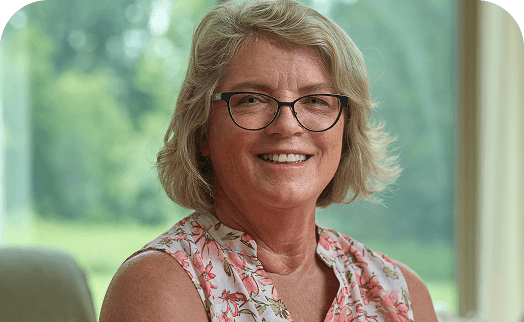
A day in a life for me is best described as like chaos coordinator. Our life doesn’t look the same every day, whether we’re doing something in the community with our homeschool co-op, something with our church, something at home. We’re very adventurous. It is a very busy life, but I don’t think I’d have it any other way. My family is absolutely everything to me. They’re why I get out of bed some days. They are why I choose to fight for my health, and they are just my biggest cheerleaders and my biggest support system.
My name is Denise. I’m from South Carolina and I’ve been living with hypopara since 2017. So my journey to diagnosis with hypopara was actually pretty fast. I went to the doctor for one thing, found out that I had thyroid cancer and my thyroid was pretty severely destroyed already. There was no option for me other than surgery and I had surgery. After my surgery, I had a fairly long hospital stay and pretty much had to figure out what hypopara was from there. And that was me leaving the hospital taking 60 pills a day.
Hypopara symptoms impacted my life in everything that I do, whether it was something as simple as making a meal for my family, just simple brain functioning, remembering things, remembering the kids needed to be somewhere at a certain time. I quickly realized I was no longer going to be giving that 1000% that I was able to give. The best way I can describe that to someone is literally walking on a tightrope and just trying to breathe and try to figure it all out and balance it all out while not falling off of that rope.
I think the moment recognizing I need to take charge was talking to my doctor, looking at various other treatment plans, YORVIPATH seemed like the best decision for myself and my doctor supported that. YORVIPATH helps me manage my hypopara. And really, I do not have to worry about constantly taking extra calcium or other supplements to help keep me in line. It’s like someone got me off the tightrope is the best way to explain it. The once-daily YORVIPATH injection fits into my life pretty seamlessly. It’s something that I sit on my nightstand. I know it’s part of my daily routine with any of my medications. And I go about my chaos coordinating for the day.
The advice I have for other people living with hypopara truly is you are not alone. This is a big, scary thing, but we’re doing the big, scary thing together. Find your community, find your people, be the voice and know that whether it’s a hard day or an absolutely good day, there’s still joy to be found, and that’s just worth showing up for yourself every day.
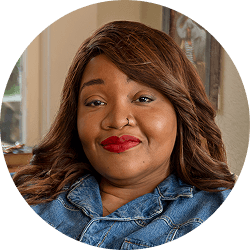
This is Denise
“Coordinating chaos” with normal calcium levels
A self-described “chaos coordinator,” Denise fills her days with family, volunteering, and homeschooling her 2 boys. Initially, living with hypopara felt like she was “walking on a tightrope.” YORVIPATH fits into Denise’s daily routine and helps manage her blood calcium levels.

“YORVIPATH helps me manage my hypopara. I know it’s part of my daily routine with any of my medications and I go about my chaos coordinating for the day.”
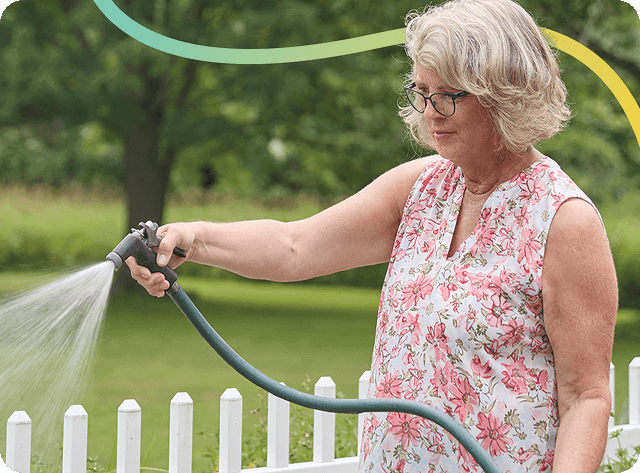
This is Lynette
Staying active with managed hypopara
Lynette is a grandmother and retired special education teacher who loves being active. But her hypopara symptoms were interfering with her daily life. She and her doctor decided to try YORVIPATH so she can manage her calcium levels with fewer daily pills.
“With YORVIPATH, I don’t have the ups and downs with my calcium levels.”
Lynette’s journey with hypopara and YORVIPATH
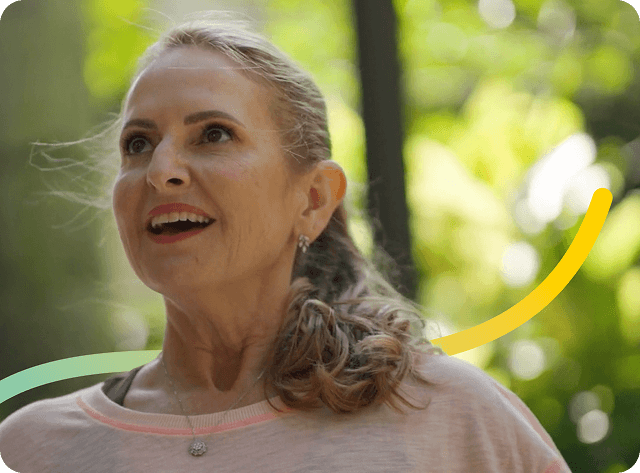
Lynette was a special education teacher who enjoyed biking, sailing, camping, and running after her 6 grandchildren when she was diagnosed with hypopara after surgery for thyroid cancer.
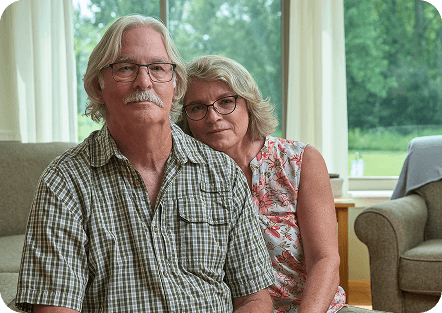
Lynette was waking up multiple times each night to take her pills, and she still didn’t feel good. She missed her active lifestyle and being present for her husband, Tim (pictured), children, and grandchildren. She even had to give up her career in special education due to her hypopara symptoms.
Through a hypopara community group, she found a doctor who listened to her concerns and recommended she try YORVIPATH. It took time for Lynette to find her maintenance dose, but once she did, she began feeling better. With fewer daily calcium and vitamin D pills, she is able to manage her hypopara.
THIS IS Joanna
Living with fewer ups and downs
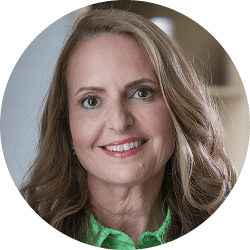
Joanna was diagnosed with hypopara when 2 of her parathyroid glands stopped working after an operation. As it worsened over time, Joanna had several hospitalizations and she felt like she was living in a body she couldn’t trust. That’s when her doctor recommended she try YORVIPATH.
“YORVIPATH seemed like the first prospect that could address the root cause of the disease.”
View Transcript +
Close Transcript -
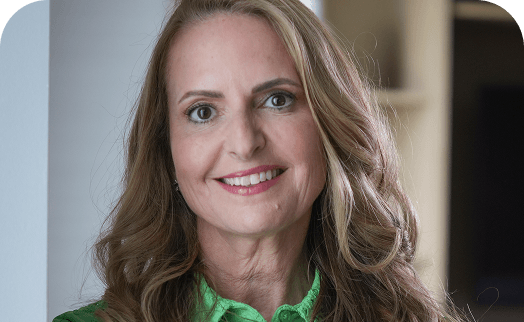
Joanna: I’m Joanna, and I live in El Dorado Hills, California. I’m a therapist, a wife, and a mother, and I’ve been living with hypoparathyroidism since 2017. My diagnosis came after I had surgery for hyperparathyroidism, and it was tough. I was extremely unwell. They went in to take out 2 overactive parathyroid glands, and biopsy the other two. Unfortunately, as a result of the operation, the remaining 2 glands stopped working. This ultimately led to my hypoparathyroidism diagnosis. My doctors tried treating it in different ways, but it just worsened over time. I felt like I was living in a body I couldn’t trust. I was anxious all the time—constantly worried about where the nearest hospital was. I felt miserable and I wasn’t doing any of my activities. We used to love to travel, go scuba diving, but the unpredictability of my hypoparathyroidism and the vulnerability it caused just made it so difficult for us to continue doing the things we once enjoyed. And it didn’t just impact me—it impacted my husband and our sons. I felt like I wasn’t as present during big life events such as their middle and high school experiences, the dinners, and concerts—all those moments. I’ve always had a hunger for life, and my husband felt like he lost his buddy. He felt helpless that he couldn’t do anything.
Stephen: The hardest part for me is knowing how quickly she can go from looking perfectly fine to being in critical condition. I’m a doctor, and I was really not prepared for how much hypoparathyroidism would impact Joanna. We could never fully let our guard down—constantly having to stay ahead of it, trying to watch her calcium levels, anticipating issues before they escalate. The lack of understanding around the condition, even within the medical community, only adds to the challenge. You really have to advocate for yourself and your loved ones. Every time she ended up in the emergency room, it was an immense burden and took a heavy toll on our family.
Joanna: You know, my work as a trauma therapist, it's a huge part of my life, and my purpose. I care about my clients like family, and I had to work really hard to show up and be present. I did my best, but at times I was undependable. While I’ve always had compassion for others’ experiences, living through the trauma of hypoparathyroidism myself has deepened that compassion. I’ve had several hospitalizations due to full tetany—full-body rigidity, laryngospasms—just a complete shutdown of my muscles. Some were near-death experiences and were truly horrifying. After one of those experiences, my endocrinologist told me that because of the severity of my hypoparathyroidism, I was a “ticking time bomb” and that we needed to explore other treatment options.
Stephen: It was incredibly difficult to watch—I knew how much pain and anxiety Joanna was experiencing. We felt like we had to do something.
Joanna: And that’s when we learned about YORVIPATH. I went to see my doctor, and she let me know about a treatment option that was under FDA review. YORVIPATH seemed like the first prospect that could address the root cause of the disease. After discussing the benefits and potential side effects, we decided that YORVIPATH was right for me, and I began treatment at the end of 2023. I know everyone’s experience will be different. But for me, so far, the biggest difference is that I feel like I’m able to more predictably manage my hypoparathyroidism. There aren’t as many ups and downs, and the lows are much less frequent. And rather than treating my hypoparathyroidism in ways that felt like putting little Band-Aids® on a big wound, I feel like we’re treating the root cause of it, and I like that. YORVIPATH has had a positive effect on how I am able to manage my hypoparathyroidism. I encourage all of you who are going through what I went through to talk to your doctor and see if it’s right for you, too. We’re all so eager to feel good, but getting there is a journey. As hypoparathyroidism patients, we must stay focused, take things one day at a time, advocate for ourselves, and seek out the best support available. For me, that includes my healthcare team and YORVIPATH. I feel so humbled by this disease. It’s made me more aware of just how beautiful life is, and how I want to live it. And I want that for everyone else living with hypoparathyroidism—that they too can live their own full, amazing lives.

THIS IS Liz
Finding support through community
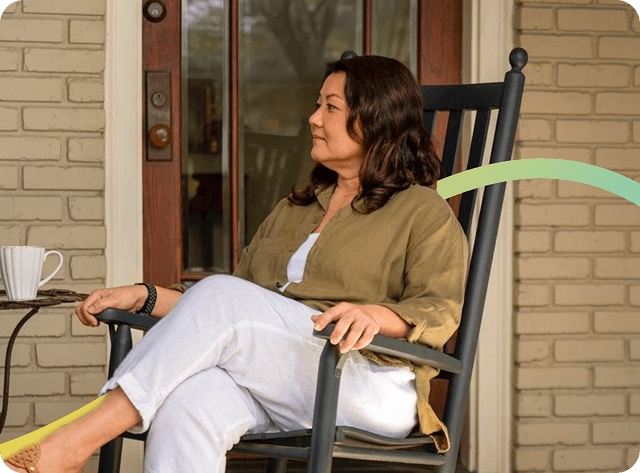
Liz struggled with her hypopara symptoms for years. Taking multiple pills daily was overwhelming and hard on Liz’s body. It was even harder to find a doctor who understood the disease and how to treat it. But once she did, Liz and her doctor decided that YORVIPATH was the right choice for her.
“I want to advocate for other people [with hypopara] if they can’t advocate for themselves. I just want people to get better.”
Liz’s journey with hypopara and YORVIPATH
After Liz had thyroid surgery, she knew something wasn’t right. Her fingers were stuck together, her whole body was tingling, and she felt scared. Six months later, she was diagnosed with hypopara.
Liz met with several doctors and was taking 32 pills a day to try to manage her symptoms. Her brain fog and fatigue made it hard to keep up with her 2 daughters, and she had multiple hospital stays. She felt frustrated and alone. But when she found a group for people with hypopara, things started to turn around. Through her group, Liz found understanding, support, and a specialist who recognized she needed another form of treatment.
Now that she’s taking YORVIPATH, Liz has fewer fluctuations in her calcium levels—and fewer daily pills. Liz enjoys daily walks, volunteering at dog rescues, and spending time with her family while managing her hypopara. She is active in her hypopara community and has found a passion for helping others feel less alone.
Connect with the community
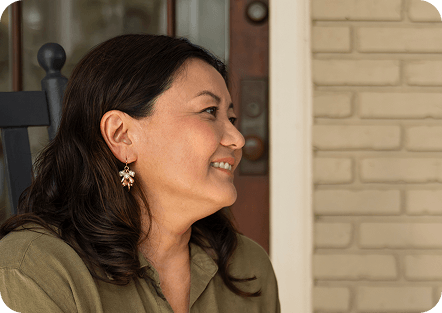
Having a rare disease like hypopara can be isolating. That's why finding community is so important. Two community members, Denise and Liz, sat down and talked about what it's like to have hypopara, how knowledge is armor, and the importance of finding your people and making yourself heard.
Want to meet other people living with hypopara?
Find an event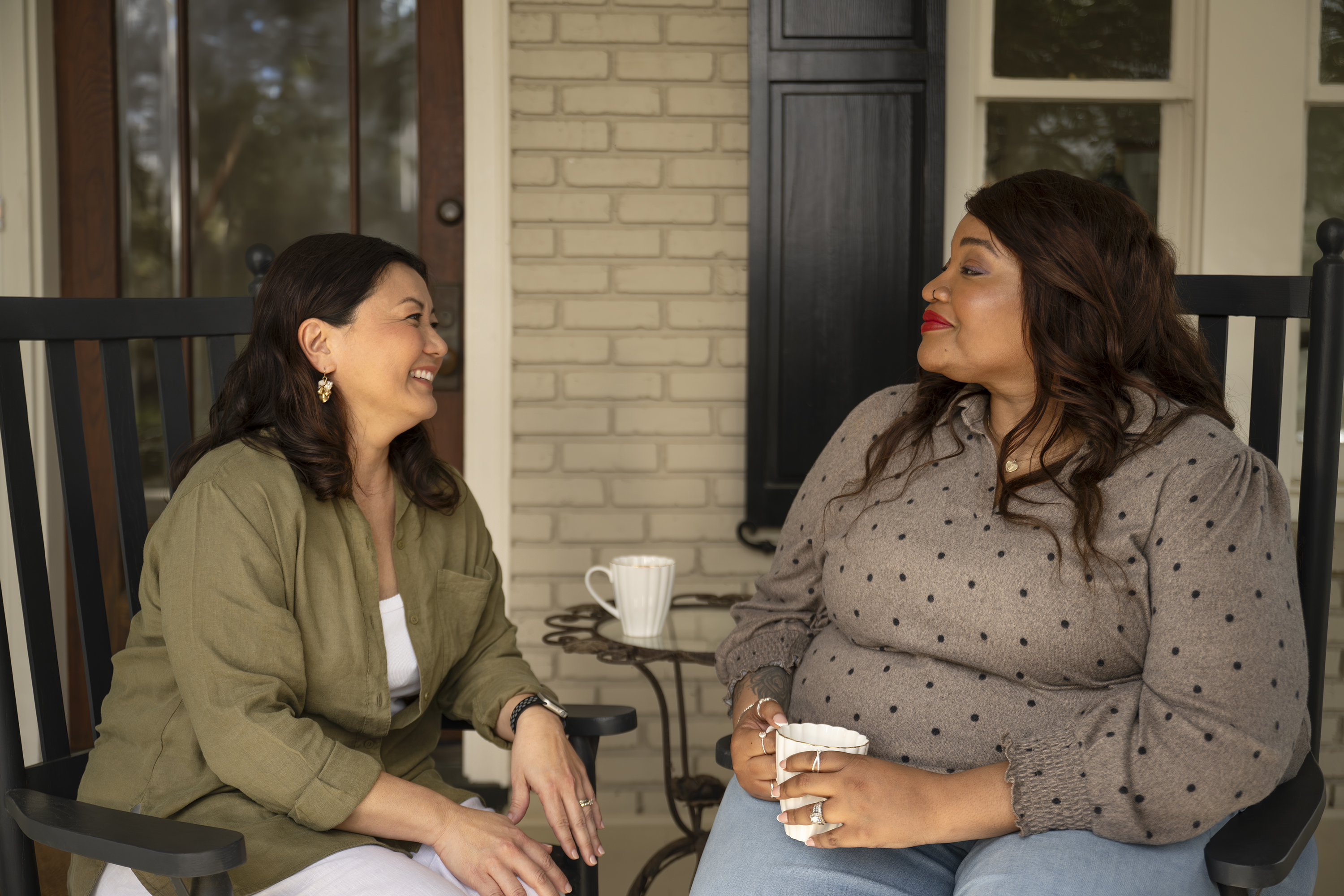
View Transcript +
Close Transcript -
FROM UNSEEN TO UNDERSTOOD
Liz: It was hard to find other people to understand how we feel…I think the only person that understands is us.
Denise: And I think there truly is value and understanding…And to feel supported and to have that knowledge and that understanding of, I can say this to this person or this group and they absolutely understand. I am having a bad day and it may be an invisible illness, but I am not invisible to these people.
THE IMPORTANCE OF FINDING YOUR PEOPLE
Denise: I remember joining those Facebook groups and just writing [a] paragraph of this is what happened to me, this is where I’m at, help. I’m absolutely terrified. And I just remember the community embracing me, giving me information, giving me resources.
Liz: It’s great to have a community that you know how I feel and I know how you feel because we’re both in the same boat and it’s just nice to finally have a community that understands what we’re going through because we’re all going through it together in this journey.
KNOWLEDGE IS ARMOR
Denise: I think finding people like us, but then also recognizing the beauty and the diversity of what we go through every day. I know that I have absolutely found it like a wealth of information. When someone gets on, they’re like, “I’m experiencing this certain thing.” And then we can all just chime in and be like, “Have you tested for this? Have you asked your doctor for this?”
Because then you feel like you’re armed to go back to the doctor and be like, “Hey, I know we talked about this, but I found this thing going on and other people like me dealing with this. Can we test for this or can we adjust for this?” And I think that’s just another level of being able to advocate for ourselves.
MAKING YOURSELF HEARD WITH HYPOPARA
Liz: I want everyone to be your own advocate. Find the doctor that’s right for you…There are options out there that can help you.
Denise: Managing my hypopara for me is sometimes being the annoying patient…if that means I need to get on the online groups, do the research, read the data and the information, if that means I need to connect with other hypopara patients and get their opinions on things, but ultimately making the best decisions for my life that I know will also impact my family.
3 WORDS FOR OTHERS LIVING WITH HYPOPARA
Denise: Advocate for yourself.
Liz: We got this.
Register for updates
Fill out the form below to receive important information about YORVIPATH. If you’d like to connect with a Patient Access Liaison (PAL) for individualized support and education about hypopara and treatment with YORVIPATH, click the “Connect with a PAL” box.

